Introduction to Frogs
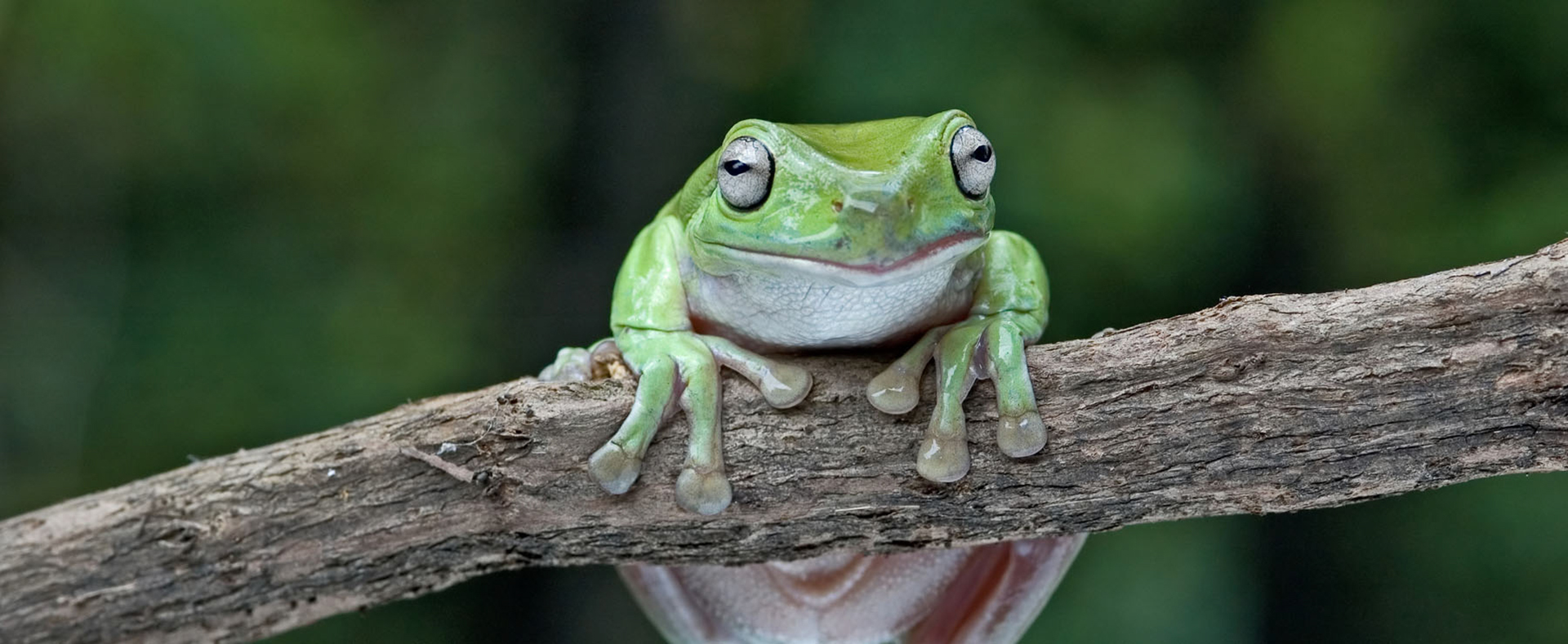
Frogs are fascinating creatures that have captured human imagination for centuries. With over 7,000 known species and counting, frogs inhabit a diverse amount of environments across the globe, ranging from tropical rainforests to dry deserts. These beautiful amphibians play a vital role in their ecosystems as both predator and prey. Their unique life cycle, which begins as a tadpole form and transforms to an adult frog, is one of nature's most beautiful yet appalling transformations. Frogs have unique skin that allows them to absorb water and even breathe through it, which makes them sensitive to environmental change. Unfortunately, this sensitivity has made them important indicators of ecosystem health.
Frogs communicate through a variety of vocalization, with each species carrying a destinctive call. These sounds are multipurpose, as their uses range from attracting mates to marking territory. Some frog species have even developed unimaginable adaptations for their survival, such as the ability to change their color for camouflage or produce toxic substances to scare predators.
The study of frogs, known as Batrachology, never fails to reveal new discoveries about these beautiful creatures and their importance in keeping ecosystems balanced.
Frog Habitats and Distribution
Frogs can be found on every continent excluding Antarctica, with the greatest diversity occurring in tropical regions. They occupy a wide range of habitats including:
- Tropical Rainfoirests - Home to the most colorful and diverse species of frog
- Temperate Forests - Where frogs hibernate during cold winters
- Deserts - Some species have adapted to survive with very minimal water
- Grasslands/Wetlands - Important breeding grounds for many frog species
- Urban Areas - Here, adaptable species thrive in parkls and gardens
Many frog species are highly specialized to their particular environment, making them vulnerable to harm from habitat destruction.
Conservative Status
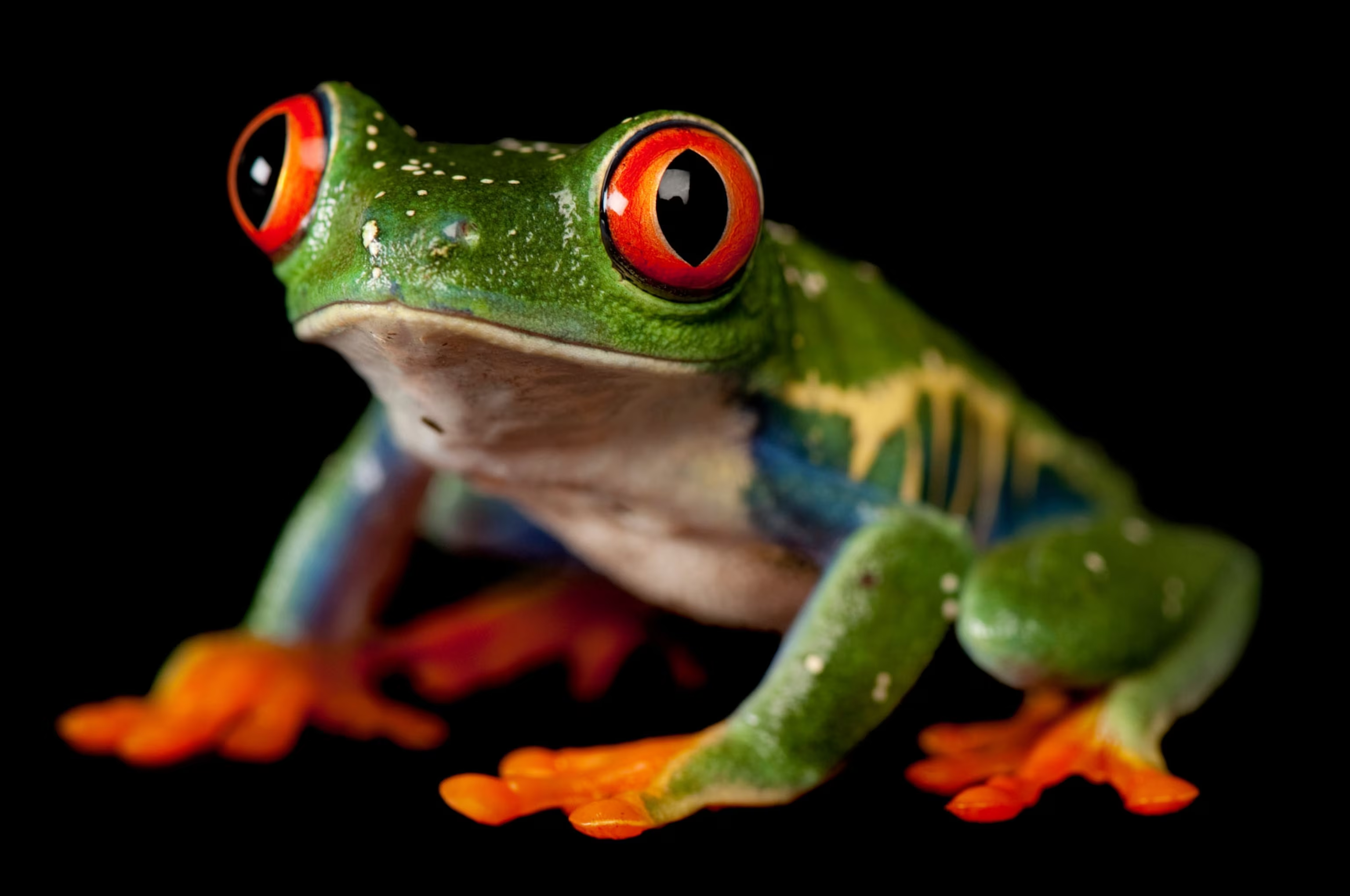
Sadly, frogs face numerous threats worldwide. Habitat destruction, disease, climate change, and pollution have contributed to large declines in most frog populations. According to the International Union for Conservation of Nature (IUCN), approximately one-third of amphibian species are threatened with extinction. Conservation efforts are crucial to protect these important animals and the ecosystems they inhabit.
Organizations across the globe are hard at work to protect frog habitats, establish captive breeding programs for endangered species, and research solutions to threats like the Chytrid Fungus, which has drastically harmed amphibian populations globally. Public support and awareness of these conservation efforts are integral for the long-term wellbeing of frogs and other amphibians.